.webp)



Introduction
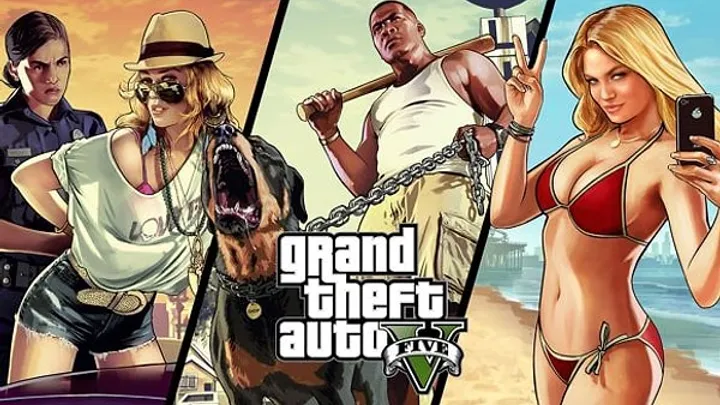
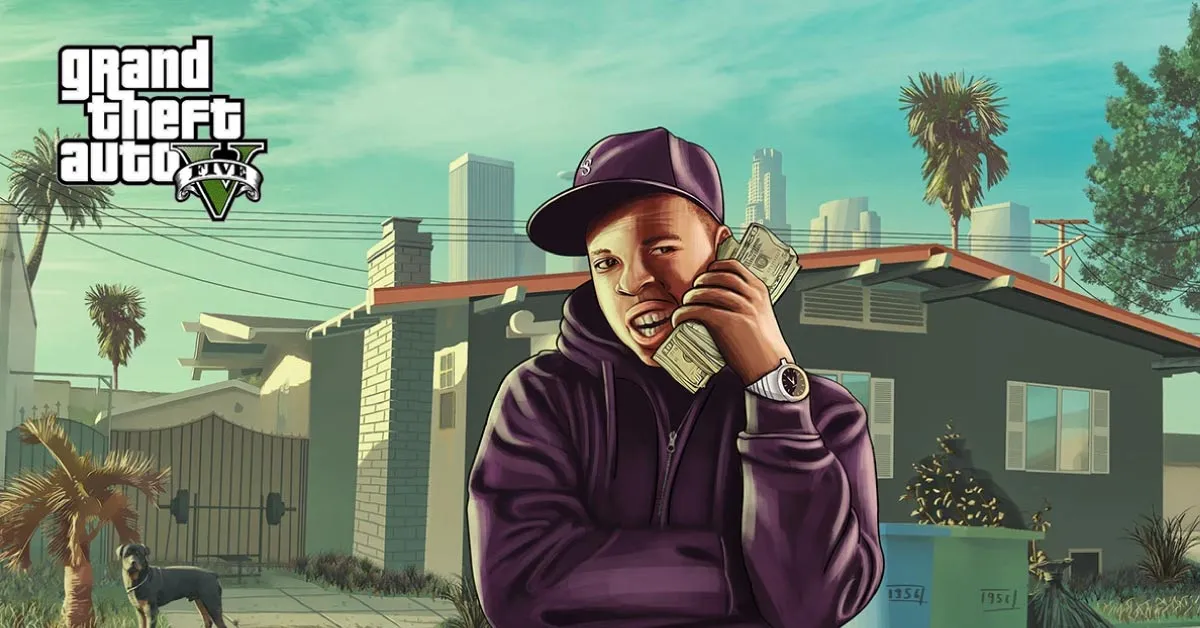
Since its release, GTA V Online has evolved into one of the most persistent and profitable multiplayer ecosystems in gaming history. While most discussions focus on its open-world chaos or endless content updates, a deeper issue quietly defines the experience for millions of players: the grind economy. This isn’t just about earning money—it’s about how time, inflation, and monetization systems intertwine to influence player decisions, satisfaction, and long-term engagement. In this article, we explore how grinding in GTA V Online has transformed over time and why it remains one of the most debated aspects of the game.
1. The Early Days: A Simpler Economy
When GTA Online first launched, its economy was relatively simple. Players earned money through contact missions, races, and heists. While payouts were modest, the cost of items like cars, weapons, and apartments was balanced enough that players could reasonably progress without feeling overwhelmed.
Grinding existed, but it felt fair. A few hours of gameplay could earn a meaningful reward, and the gap between casual and dedicated players was manageable. At this stage, the economy was more about exploration than optimization.
Key Characteristics
- Low inflation on vehicles and weapons
- Limited number of high-cost items
- Heists as the primary income source
 2. The Rise of Heists and Structured Grinding
The introduction of heists marked the first major shift in GTA Online’s economy. These multi-stage missions required coordination and planning but offered significantly higher payouts compared to earlier activities.
However, heists also introduced inefficiencies. Setup missions, player coordination issues, and the risk of failure meant that earnings per hour were not always consistent. This pushed players to start thinking in terms of optimization—choosing the fastest and most reliable methods to earn money.
Emerging Player Behavior
- Preference for repeatable, efficient missions
- Increased reliance on experienced teammates
- Early signs of “grind meta” forming
3. The Introduction of Businesses and Passive Income
With updates like CEO offices and biker businesses, Rockstar introduced passive income systems. Players could now invest in businesses that generated money over time, adding a new layer to the grind.
This shift fundamentally changed the gameplay loop. Instead of only completing missions, players now had to manage supply chains, defend assets, and optimize production cycles.
Types of Businesses
- CEO Cargo Warehouses
- Motorcycle Club operations
- Nightclubs with integrated production
While this added depth, it also increased complexity. Players were no longer just earning money—they were managing a virtual empire.
4. Inflation Begins: The Cost of New Content
As new updates rolled out, the cost of vehicles, weapons, and properties began to rise sharply. What once cost hundreds of thousands now cost millions. This inflation created a widening gap between new and veteran players.
The issue wasn’t just higher prices—it was the mismatch between earnings and costs. While payouts increased slightly, they did not keep pace with the escalating prices of new content.
Effects of Inflation
- Longer grind times for new items
- Increased pressure to optimize gameplay
- Growing frustration among casual players
5. Shark Cards and Monetization Pressure
Rockstar introduced Shark Cards as a way for players to purchase in-game currency with real money. While optional, their presence influenced the game’s economy.
Many players began to feel that the grind was intentionally prolonged to encourage microtransactions. Whether intentional or not, the perception alone impacted player sentiment.
Monetization Dynamics
- Time vs. money trade-off
- Psychological pressure to skip grinding
- Division between paying and non-paying players
6. The Cayo Perico Heist: A Turning Point
The release of the Cayo Perico Heist changed everything. For the first time, players could complete a heist solo and earn substantial payouts with relatively low risk.
This update redefined the grind meta. Players quickly realized that Cayo Perico offered the best return on time investment, making many other activities obsolete.
Why It Stood Out
- Solo-friendly design
- High and consistent payouts
- Minimal reliance on other players
However, this also created a new problem: repetition fatigue.
7. Repetition vs. Engagement
Grinding the same heist repeatedly can quickly become monotonous. While efficient, it reduces the variety that makes GTA Online enjoyable.
Players often face a dilemma: maximize earnings or have fun. Unfortunately, the two don’t always align.
Common Player Experiences
- Burnout from repetitive tasks
- Ignoring diverse content due to low payouts
- Treating the game like a job rather than entertainment
8. The Role of Time-Gated Content
Many activities in GTA Online are time-gated, meaning players must wait for cooldowns before repeating them. This design is intended to balance the economy but often feels restrictive.
Time gates disrupt the flow of gameplay and can make the grind feel artificially prolonged.
Examples of Time Gates
- Heist cooldowns
- Business production timers
- Weekly event rotations
While these systems add structure, they also limit player freedom.
9. Community Adaptation and the Grind Meta
Over time, the community has developed highly optimized strategies for earning money. Guides, YouTube videos, and forums are filled with tips on maximizing efficiency.
This collective knowledge has created a “grind meta,” where certain activities are universally recognized as the best options.
Popular Meta Strategies
- Repeating Cayo Perico Heist
- Combining passive businesses with active missions
- Exploiting event bonuses for maximum profit
While effective, this meta can make the game feel predictable and less dynamic.
 10. The Future of Grinding in GTA Online
As GTA Online continues to evolve, the challenge for developers is balancing progression, monetization, and player enjoyment. Too much grind risks alienating players, while too little can reduce engagement.
The future likely lies in creating more diverse and rewarding activities that respect players’ time while maintaining a sense of progression.
Potential Improvements
- Better payout balance across activities
- Reduced reliance on repetition
- More meaningful rewards for skill-based gameplay
Conclusion
The grind economy in GTA V Online is more than just a gameplay mechanic—it’s a reflection of how modern multiplayer games balance time, money, and engagement. From its humble beginnings to its current complex system, the evolution of grinding has shaped the way players interact with the game.
While updates like Cayo Perico have improved accessibility, the core issue remains: how to make progression feel rewarding without becoming tedious. As players continue to adapt and optimize, the conversation around grinding will remain central to the GTA Online experience.