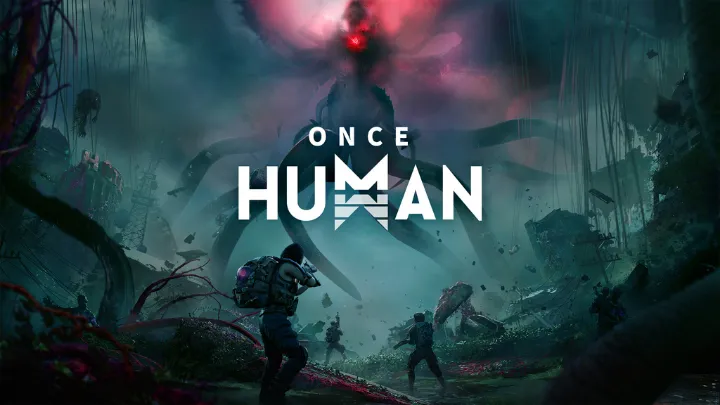







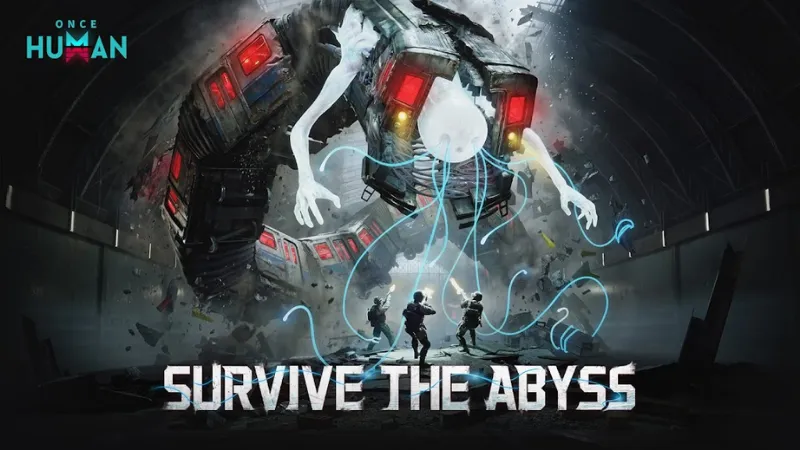
The post-apocalyptic landscape has been reimagined in many ways, but few titles capture the eerie, cosmic horror of a world reshaped by "Stardust" like Once Human. This open-world survival game blends base building, tactical shooting, and supernatural investigation into a massive, multiplayer experience. As a Meta-Human, you are tasked with reclaiming a world where the laws of physics have buckled and the wildlife has mutated into nightmarish "Deviations."
Navigating this world requires more than just a quick trigger finger. To survive and thrive, you must master the intricacies of resource management, territory expansion, and the strange biology of the Stardust pollution. This guide provides a chronological and thematic roadmap, ensuring you evolve from a stranded survivor into a dominant force within the faction wars and high-level silos.
1. The First Awakening: Navigating the Early Game
When you first emerge into the world of Once Human, your primary objective is basic stabilization. The early hours are a race against your own biological needs: hunger, thirst, and Sanity. Stardust pollution is a constant threat; as you explore contaminated zones, your Sanity will drop, effectively capping your maximum health. Understanding how to manage these bars using boiled water and cooked meat is the fundamental difference between a successful expedition and a frantic retreat.
During this phase, you should focus heavily on the "Main Story" quests. These are not just for lore; they act as a massive tutorial that unlocks essential blueprints and the "Cradle" system. Your Cradle allows you to equip specialized perks that counter specific enemy types or boost your gathering efficiency. Don't wander too far into high-level zones like Iron River until you’ve established a basic wooden shack and a furnace in the starting meadows.
Initial Survival Checklist
- Pickaxes and Axes: Craft these immediately to begin the loop of wood and stone acquisition.
- The Crossbow: A silent killer that allows you to retrieve your bolts, saving precious copper.
- Camping Ground: Learn to use your portable territory to reset your spawn point during long treks.
2. Setting Deep Roots: Strategic Base Placement
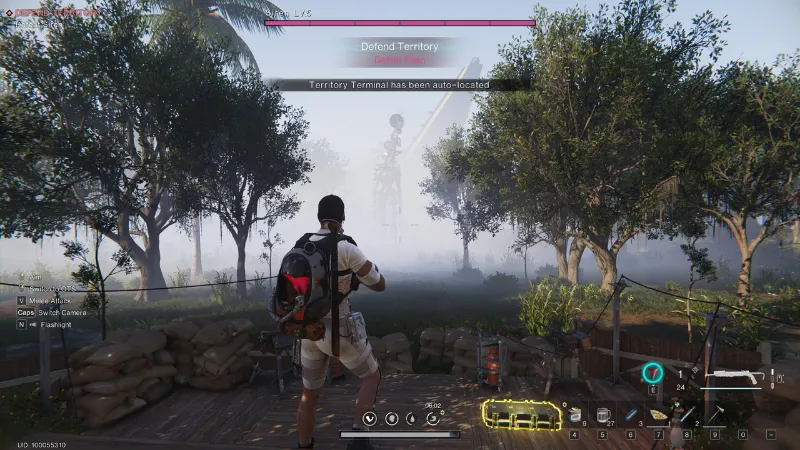
Your base is your sanctuary, but in Once Human, it is also your primary factory. Choosing where to place your Territory Terminal is a strategic decision that affects your entire mid-game experience. Ideally, you want a location that provides a "Triple Threat" of resources: proximity to water for irrigation, access to ore deposits (specifically Copper and Tin), and a flat area for building.
Building isn't just about aesthetics; it’s about defensive architecture. As you progress, your base will be subject to "Purification" events where waves of enemies attack your Stardust Resonators. Designing your base with "kill zones" and layered walls will save you hours of repair work. Ensure your workstations are organized in a logical flow—put your furnaces near your storage crates to minimize the time spent hauling heavy ores.
3. Mastering the Cradle and Memetic Specialization
The Memetic system is the heartbeat of player progression. As you level up, you earn Ciphers to unlock new technologies across four trees: Infrastructure, Crafting, Logistics, and Building. However, you cannot unlock everything at once. This creates a "specialization" meta where players must choose whether to become a master chef, a master gunsmith, or an industrial architect.
Every few levels, you will also encounter "Memetic Specializations." These are randomized, powerful buffs that can drastically change your gameplay, such as allowing your furnaces to smelt ore 50% faster or making your generators produce more power. In a team setting, it is vital to communicate these choices. If one friend specializes in high-tier ammunition and another in advanced building materials, your hive will be significantly more efficient than a group of "jacks-of-all-trades."

4. Deviation Management: Capturing Your Supernatural Allies
Deviations are the bread and butter of the Once Human experience. These strange entities can be found throughout the world—some are hidden in cupboards, others drop from defeated bosses. Once captured, they live in "Independent Securement Units" within your base. Managing them is almost a game within a game, as each Deviation has specific "mood" requirements, such as a certain light level, temperature, or nearby music.
Types of Deviations
- Combat Deviations: Like the "Festering Gel," which provides cover and healing during firefights.
- Territory Deviations: Like the "Digby Boy," who automatically mines nearby ore while you sleep.
- Production Deviations: These craft unique items or buffs that cannot be obtained through standard means.
To keep your Deviations active, you must maintain their Power and Mood. This requires placing "toys" or specific furniture nearby. A happy Deviation works faster and provides stronger combat buffs, making them indispensable for high-tier dungeon runs.
5. Gear Progression: Blueprints and Calibration
In Once Human, you don't just "find" a better gun; you build it, refine it, and calibrate it. The blueprint system ensures that even if you lose your physical items, your knowledge remains. You find blueprints by looting "Mystical Crates" in strongholds. Once you have a blueprint, you can craft the item at a Gear Workbench using various tiers of materials, from rusted scrap to high-tech polymers.
Calibration is where the real power lies. By spending "Stardust Source" and weapon parts, you can upgrade your gear's level, significantly increasing its base damage or armor rating. Furthermore, the "Mod" system allows you to slot in specific traits—like increased crit rate or faster reload speeds—that you find while exploring. A well-modded Tier 3 weapon will often outperform a stock Tier 4 weapon.
6. The Mid-Game Shift: Farming and Industrialization
Once you hit level 20, the game shifts from survival to industrialization. You will move from hand-gathering to automated systems. This involves setting up water pumps, electricity generators (solar or fuel-based), and automated mining platforms. This transition is essential because late-game crafting requires massive amounts of Acid and Fuel, resources that are difficult to farm by hand.
The Acid Farm Meta
Acid is the most valuable currency in the mid-to-late game. You can acquire it by:
- Defeating Deviant enemies in the open world.
- Passive Generation: Setting up water filters in "Polluted Zones" to extract impure acid from the environment.
- Trading: Using the vending machine system to sell excess ore to other players in exchange for Acid.
7. Tactical Combat: Weakspots and Elemental Damage
Combat in the later stages of Once Human becomes much more technical. Every boss and elite enemy has a specific weakspot—usually glowing blisters or mechanical cores. Simply aiming for the head isn't always the answer. Furthermore, the game utilizes an elemental system (Burn, Frost, Shock, and Blast) that can be exploited using specific weapon types or ammo.
Advanced Combat Tips
- The "V" Key: Use your scan regularly to highlight enemy weakspots and hidden loot.
- Stamina Management: In boss fights, sprinting is for repositioning, not for travel. If you run out of stamina during a boss's "AoE" (Area of Effect) attack, you are likely dead.
- Consumables: Don't forget tactical items like landmines and grenades. They can stagger heavy enemies, giving you a window to reload.

8. Exploring the Monoliths and Secret Silos
The true test of your build comes within the Monoliths—massive dungeons housing the world's most dangerous "Great Ones." These are multi-stage boss fights that require coordination and specific mechanics. For instance, some bosses may be immune to damage until you destroy surrounding power pylons or defeat waves of adds.
Secret Silos are smaller, repeatable dungeons that are the primary source of high-tier weapon mods. Running these on "Hard" or "Pro" difficulty is the endgame loop for most players. Each Silo has a hidden "side objective" that, if completed, grants extra loot and rare Deviations. Learning the layout of these Silos is key to "speed-running" your way to a perfect character build.
9. Social Survival: Hives, Warbands, and Trading
While you can play Once Human solo, it is designed as a social experience. Joining a Hive (a small group of friends) allows you to share a territory and pool resources. On a larger scale, Warbands compete for control of the map's most valuable resource nodes. This PvPvE (Player vs Environment vs Player) dynamic adds a layer of political intrigue to the survival mechanics.
Trading is also a vital part of the economy. By building a Vending Machine at your base and making it public, you can sell rare blueprints, cooked meals, or refined ores. Positioning your base near high-traffic roads or teleportation towers will ensure a steady stream of customers, allowing you to bypass the grind for certain materials by simply buying them from other players.
10. The Seasonal Cycle: Embracing the "Wipe"
Once Human operates on a seasonal reset model. While this can be daunting for new players, it is actually the game's greatest strength. Every few months, the world "resets," but you keep your Blueprints, your Currencies, and your Cosmetics. This prevents the "power creep" that kills many MMOs and allows everyone to start on a level playing field with fresh map challenges.
Preparing for the Reset
- Spend your Ciphers: Make sure you've unlocked all the blueprints you want before the season ends.
- Eternaland: Use this "private island" zone to store items you want to bring into the next season.
- Achievement Hunting: Complete seasonal goals to earn "Mitsuuko's Marks," which can be traded for permanent cosmetic rewards.
Conclusion
Once Human is a vast, evolving tapestry of survival and mystery. From the humble beginnings of picking berries in the woods to the high-stakes warfare of the endgame, every action you take contributes to your legend as a Meta-Human. Success is not just about having the biggest gun; it’s about understanding the synergy between your gear, your Deviations, and the environment.
By following this guide—focusing on specialized builds, efficient resource automation, and strategic base design—you will find that the terrors of the Stardust are not obstacles, but opportunities. Embrace the weirdness of the world, work with your fellow survivors, and you will eventually stand tall as the master of the new world. The Lands Between may be for the Tarnished, but the future belongs to the Meta-Humans.