.webp)
Toca Boca Jr and the Subscription Transformation of Children's Digital Play: How a Creative Sandbox Became a Subscription Ecosystem
Introduction
Toca Boca Jr: Fun Kids Games is often described as a collection of creative digital toys designed for children aged 2–8. Rather than focusing on competition, scores, or winning conditions, the app encourages open-ended play through experiences such as cooking, building, nature exploration, dancing, hairstyling, science experiments, and pet care. The platform combines several classic Toca Boca experiences into a single application, creating a centralized hub for preschool creativity.
However, one of the most significant developments in the history of Toca Boca Jr is not related to gameplay itself. The most controversial issue is the transition from individually purchased games to a subscription-based ecosystem. This change fundamentally altered how children, parents, and long-time fans interact with the franchise. What began as a collection of standalone digital toys gradually evolved into a service model where access to most content is tied to recurring payments.
This article explores that transformation in detail, examining how the subscription model changed accessibility, player expectations, educational value, content expansion, and the overall identity of Toca Boca Jr.
1. The Original Philosophy: Digital Toys Instead of Traditional Games
A Different Vision of Children's Entertainment
When Toca Boca first became popular, its games stood apart from conventional children's software. Many educational apps relied on quizzes, rewards, scores, and rigid learning objectives. Toca Boca instead focused on imagination.
Children could experiment without fear of failure. They could create bizarre meals, style unusual hairstyles, build strange structures, or explore virtual environments without being told they were right or wrong.
This design philosophy positioned Toca Boca products as digital toys rather than traditional games.
Why Parents Appreciated the Approach
Parents often viewed these apps as safer alternatives to many mobile games because they encouraged creativity rather than addictive progression systems.
Key strengths included:
- No competitive pressure
- Open-ended experimentation
- Child-friendly environments
- Focus on imagination
- Minimal frustration
- No need for advanced reading skills
The result was a strong reputation built on trust and creative freedom.
2. The Era of Standalone Purchases
The One-Time Payment Model
For many years, individual Toca Boca games were sold separately.
Parents could purchase:
- Toca Kitchen
- Toca Nature
- Toca Builders
- Toca Hair Salon
- Toca Lab
- Toca Pet Doctor
Each game existed independently.
This model created a straightforward relationship between customer and developer. A parent purchased a game once and received permanent access.
Why This Model Built Loyalty
The one-time payment approach reduced uncertainty.
Parents knew:
- What they were buying
- How much they would spend
- What content was included
- That future access was secure
This simplicity helped establish trust between families and the brand.
Many current complaints from older users specifically reference nostalgia for this era because they felt ownership over the products they purchased.
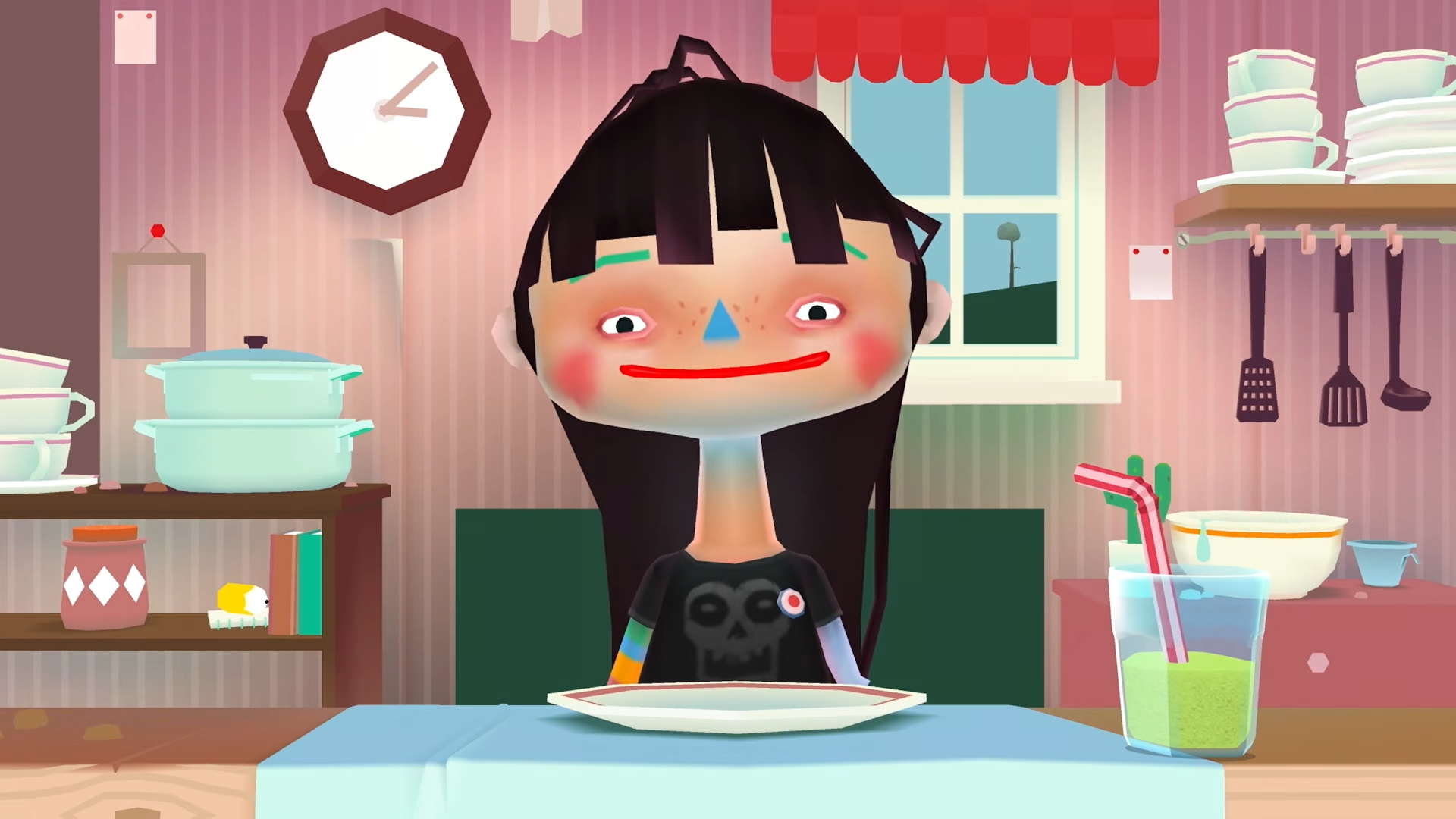
3. The Birth of Toca Boca Jr
Combining Multiple Games
The next major shift occurred when several classic games were consolidated into Toca Boca Jr.
Instead of downloading separate applications, users could access multiple experiences through one platform.
The app eventually included titles such as:
- Toca Kitchen 2
- Toca Nature
- Toca Builders
- Toca Lab: Elements
- Toca Lab: Plants
- Toca Pet Doctor
- Toca Dance
- Hair Salon
The goal was convenience and centralized management.
The Benefits of Consolidation
From a business perspective, consolidation solved several problems.
It allowed:
- Easier updates
- Unified account systems
- Consistent user experience
- Shared subscription infrastructure
- Faster content delivery
For new users, the model appeared attractive because many experiences could be discovered within a single application.
4. The Introduction of Subscription Access
The Most Significant Turning Point
The biggest transformation came when subscription plans became the primary method of accessing content.
Current app listings show multiple subscription options through the Piknik ecosystem.
Rather than purchasing individual games permanently, families increasingly paid recurring fees for access.
This fundamentally changed the economics of the platform.
Ownership vs Access
The transition created an important distinction.
Under the old model:
- Payment created ownership.
Under the new model:
- Payment creates access.
The difference may seem small, but it changes how users perceive value.
Many long-time players viewed this shift as losing control over content they once expected to own indefinitely.
5. The Community Reaction
Positive Responses
Not every reaction was negative.
Supporters argued that subscriptions provided:
- Continuous updates
- New content
- Better maintenance
- Ongoing development
- Expanded game libraries
Because new games and features continue to appear, recurring revenue can support longer-term development.
Negative Responses
However, criticism became widespread.
Common complaints include:
- Too much locked content
- Loss of individually owned games
- High recurring costs
- Reduced free access
- Frequent subscription prompts
Store reviews frequently mention frustration with having only a limited amount of free content while most experiences remain behind a paywall.
6. How the Subscription Model Changed Children's Experience
Reduced Immediate Freedom
The original appeal of Toca Boca centered on unrestricted exploration.
Children could jump directly into activities and experiment freely.
Under a subscription model, many experiences become unavailable without payment.
This changes the emotional experience of discovery.
Instead of:
"I wonder what I can create?"
Children may encounter:
"I can't access that activity."
The Psychology of Locked Content
Young children often struggle to understand digital licensing and subscription systems.
They only see that some activities are available while others are locked.
This can create:
- Frustration
- Confusion
- Repeated requests to parents
- Interrupted play sessions
The issue is particularly important because preschool-aged children are the primary audience.
7. The Educational Impact of the Change
Creativity Remains the Core Strength
Despite monetization concerns, the educational foundation remains largely intact.
Toca Boca Jr still emphasizes:
- Imagination
- Storytelling
- Exploration
- Experimentation
- Self-expression
These qualities distinguish it from drill-based educational apps.
The Accessibility Challenge
Educational value only matters if children can access the content.
A broad library of creative experiences may theoretically support learning, but restricted access can limit how much of that learning environment is available to non-subscribers.
This creates tension between educational goals and business objectives.
The educational experience remains strong, but its reach becomes dependent on subscription participation.
8. Continuous Updates and the Subscription Advantage
Why Developers Prefer Subscriptions
From a development perspective, subscriptions provide predictable revenue.
Predictable revenue allows teams to:
- Hire staff
- Create new content
- Fix bugs
- Improve infrastructure
- Support older devices
Recent updates have introduced new games and experiences, including Hair Salon, Pet Doctor additions, and Party-themed content.
The Ongoing Content Cycle
Unlike a one-time purchase model, subscriptions encourage continuous expansion.
This creates a cycle:
- New content launches.
- Subscribers remain engaged.
- Revenue supports development.
- More content is produced.
- The library grows.
From a business perspective, this cycle is highly attractive.
9. The Trust Question
Why Trust Matters More in Children's Apps
Children's software depends heavily on parental trust.
Parents evaluate:
- Safety
- Privacy
- Educational value
- Cost
- Advertising practices
Toca Boca has historically benefited from a reputation for child-focused design and safe creative play.
When Monetization Affects Perception
The subscription transition introduced new questions.
Parents now ask:
- Is the subscription worth it?
- How much content is actually free?
- Why can't games be purchased individually?
- What happens if I stop paying?
These questions affect trust even when the quality of the content remains high.
In children's entertainment, perception can be almost as important as reality.
10. The Future of Toca Boca Jr
Balancing Accessibility and Sustainability
The future challenge for Toca Boca Jr is not creativity.
The platform continues to demonstrate strong creative design principles.
The challenge is balance.
The company must balance:
- Revenue generation
- Accessibility
- Educational value
- Parent trust
- Long-term loyalty
Potential Directions
Several approaches could improve this balance:
More Free Experiences
Offering additional free games could reduce frustration among new users.
Flexible Purchase Options
Allowing permanent ownership of selected games could appeal to long-time fans.
Subscription Enhancements
Providing clearer value for subscribers could improve customer satisfaction.
Expanded Educational Features
Additional tools for storytelling, science exploration, and creative projects could strengthen the platform's educational identity.
The future success of Toca Boca Jr may depend less on creating new games and more on finding the right relationship between creativity and monetization.
Conclusion
The story of Toca Boca Jr is not simply the story of a children's app. It is the story of how the mobile gaming industry has evolved over the past decade.
Originally, Toca Boca built its reputation through individually purchased digital toys that encouraged creativity and exploration. Families trusted the brand because it offered safe, imaginative experiences without relying on aggressive monetization. Over time, those separate experiences were merged into a unified platform, eventually becoming part of a subscription ecosystem that now defines how most users access the content.
This transformation created clear advantages. Subscriptions provide stable funding, support continuous updates, and allow developers to expand the content library. New games, ongoing improvements, and regular additions are easier to sustain when revenue is recurring. Yet the same system also introduced new challenges, particularly around accessibility, ownership, and player expectations. Many long-time fans continue to express concerns about locked content, the disappearance of individual purchases, and the growing dependence on recurring payments.
Ultimately, Toca Boca Jr remains one of the most influential examples of creative digital play for young children. Its future will depend on how effectively it can preserve the imaginative freedom that made the brand successful while adapting to the economic realities of modern app development.
Summary: Toca Boca Jr evolved from owned digital toys into a subscription ecosystem, reshaping access and play.