.webp)



Introduction
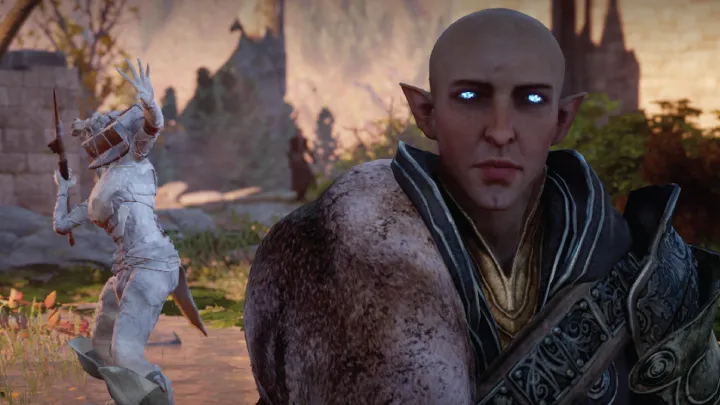
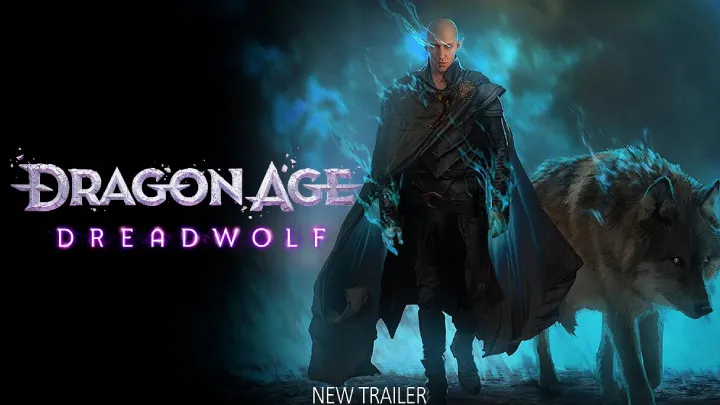
Dragon Age: Dreadwolf, the highly anticipated fourth installment in Bioware's beloved RPG series, continues to explore the rich lore and complex moral decisions that have characterized its predecessors. At the heart of the Dragon Age experience lies the player’s agency—the ability to make choices that shape the narrative, character development, and relationships. This article delves deeply into how Dreadwolf emphasizes player agency and the impact of choices on the game world, analyzing its implications for storytelling and player engagement.
Legacy of Choice in the Dragon Age Franchise
To thoroughly understand Dreadwolf, it's essential to explore the significance of player choices in the broader context of the Dragon Age franchise.
Historical Context of Player Decisions
- Previous Installments: Since Dragon Age: Origins, player choices have been integral in shaping the story. Key decisions can alter character fates, political landscapes, and even world events.
- Emotional Resonance: The emotional weight of choices contributes to player investment. Players often recall past decisions and their consequences, shaping their expectations for future installments.
Evolving Mechanics of Choice
- Branching Narratives: Each game in the series has expanded on the intricacy and scope of player choices, with Dreadwolf promising a more nuanced approach.
- Moral Complexity: Choices are not merely binary; they often involve morally gray areas where the outcomes are unpredictable, thereby enhancing emotional engagement.
The Role of Companions in Decision-Making
In Dreadwolf, companions will likely play a crucial role in how player choices are framed and perceived.
Building Meaningful Relationships
- Character Depth: Each companion comes with their own backgrounds, motivations, and moral compasses, influencing how players navigate decisions.
- Consequences of Relationships: The bonds formed can alter gameplay dynamics, creating layers of strategy in decision-making.
Companion Influence on Choices
- Persuasion Mechanics: Companions may provide insights that can sway the player’s decisions, adding depth to the choice-making process.
- Conflict and Loyalty: Players must consider the implications of choices on companion loyalty, potentially affecting future interactions and story outcomes.
Analyzing the Decision Framework in Dreadwolf
Dreadwolf introduces a new framework for decision-making, potentially refining how choices impact gameplay.
The Mechanics of Player Agency
- Choice Structure: A new interface or dialogue system may help players evaluate choices more clearly, presenting moral dilemmas that need careful consideration.
- Dynamic Outcomes: The decisions players make could lead to branching storylines or even entirely different game endings, reinforcing the importance of player agency.
Impact on Gameplay Flow
- Pacing: A more streamlined decision-making process could enhance the gameplay flow, allowing players to engage in action while still feeling the weight of their choices.
- Replayability: With multiple outcomes based on decisions, Dreadwolf promises improved replayability, inviting players to experience the game differently on subsequent playthroughs.
Thematic Exploration: Consequences of Power
One of the essential themes in Dreadwolf revolves around the consequences of power and the ethical implications of leadership choices.
Power Dynamics in Thedas
- Political Intrigue: The game's setting in Thedas requires players to navigate complex political landscapes where choices can yield powerful allies or dangerous enemies.
- Moral Responsibility: Players must grapple with the burdens that come with power—will they use it responsibly or succumb to corruption?
Story Arcs and Player Choices
- Character Evolution: Decisions concerning power can lead to character growth or decline, impacting narrative arcs and relationships.
- The Role of Heroes and Villains: Players' choices could redefine who the heroes or villains are in the story, challenging traditional archetypes and moral binaries.
The Emotional Weight of Choices
In Dreadwolf, the emotional impact of decisions is set to become even more pivotal in shaping player experiences.
Emotional Stakes
- Personal vs. Political: Players face choices where personal relationships and broader political implications clash, demanding careful consideration.
- Consequential Relationships: The emotional stakes attached to companion relationships may heighten the tension when making difficult decisions.
The Impact on Narrative Satisfaction
- Player Satisfaction: When choices culminate in satisfying resolutions that reflect the player's moral standing, it creates a rewarding experience.
- Narrative Fulfillment: The game must balance the need for player agency with a compelling narrative arc, so choices resonate meaningfully within the story.
Challenges in Implementing Player Agency
While Dreadwolf aims to enhance player agency, there are inherent challenges associated with this goal.
Balancing Freedom and Coherence
- Narrative Structure: Providing players with freedom while still maintaining a coherent narrative is a delicate balance that can make or break a game's storytelling.
- Complexity vs. Accessibility: Choices must be complex enough to be meaningful but also accessible to newer players who might feel overwhelmed.
Player Expectations
- Legacy of Previous Titles: Fans bring expectations based on past experiences; therefore, satisfying a diverse audience can be challenging for the developers.
- Community Feedback: While player feedback is valuable, it can also be contradictory, leading to uncertainty in development direction.
The Future of Decision-Making in RPGs
Dreadwolf sets the stage for a new frontier in how decision-making can influence the fabric of RPGs.
Innovations in Interactive Storytelling
- Advanced Dialogue Systems: Potential adoption of AI-driven dialogue engines could create dynamic exchanges based on player choices, enhancing immersion.
- Integration with Gameplay Mechanics: More seamless integration of choices into combat or exploration may offer a richer, unified experience.
Broader Implications for the Genre
- Setting New Standards: If successful, Dreadwolf could set a new benchmark for how RPGs approach player agency and narrative complexity in the future.
- Influencing Other Developers: Enhanced player agency could motivate other developers to explore innovative storytelling techniques as standards evolve.
Community Engagement and Player Representation
The involvement of the community in shaping choices and agency is vital for the success of Dreadwolf.
Player Representation
- Diversity in Decisions: By including a wide range of perspectives in character choices, Dreadwolf can ensure that various player identities are represented authentically.
- Community Feedback Channels: Developers should consider incorporating community forums or events where players can share their expectations regarding player agency and decision-making.
Fostering a Collaborative Environment
- Engaging with Players: Building a collaborative relationship with the player community can cultivate a sense of ownership over the game, leading to stronger emotional investment.
- Iterative Development: Listening to player feedback during the development process can lead to more robust systems that resonate with the audience.
Conclusion: The Path Ahead for Player Choices in Dragon Age: Dreadwolf
Dragon Age: Dreadwolf seeks to explore the complexities of player agency through meaningful choices, relationship dynamics, and the consequences of power. By building on its predecessors while also innovating in story construction, Dreadwolf promises to deliver a richly immersive experience that resonates on both emotional and moral levels. As the game prepares for its release, the commitment to player agency will set the stage for a transformative chapter in the Dragon Age legacy.
With thoughtful execution, Dreadwolf has the potential to redefine not just the franchise, but the landscape of RPG storytelling as a whole.