Rainbow Six Siege: The Eternal Siege – A Decade of Tactical Evolution and Breaking News
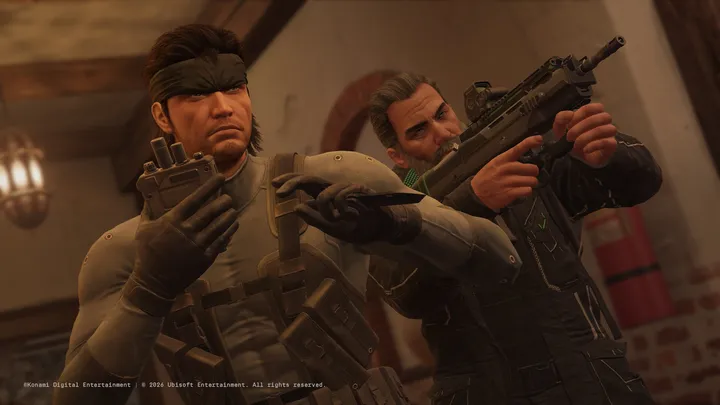
When Ubisoft first showcased Tom Clancy’s Rainbow Six Siege at E3 2014, the tactical shooter genre was in a state of flux. Moving away from the cinematic, linear roots of the cancelled Rainbow 6: Patriots, Siege proposed something radical: a multiplayer-only experience built entirely around environmental destruction and precise team coordination. What followed is one of the most remarkable "comeback" stories in gaming history. From a buggy, uncertain launch to becoming a cornerstone of global esports with tens of millions of players, the news cycle of Siege has been a relentless journey of reinvention. As we stand in 2026, looking back at the decade-long siege, the game remains a testament to the "Games as a Service" model done with grit, technical ambition, and a community that refuses to quit.
1. The E3 2014 Reveal: From the Ashes of Patriots (2014)
The initial news surrounding Rainbow Six Siege was born from the shock of a cancellation. Fans were mourning Rainbow 6: Patriots when Ubisoft Montreal debuted the "Unfinished House" trailer. This news beat introduced the "RealBlast" engine, which promised procedural destruction—walls that didn't just break, but splintered based on the caliber of the bullet. The industry news at the time focused on the "verticality" of the gameplay, a concept that was relatively untapped in competitive shooters.
During this reveal phase, the news was dominated by the "Five vs. Five" high-stakes format. Unlike Call of Duty or Battlefield, Siege news emphasized that "one life matters." The introduction of the "Preparation Phase" and "Action Phase" created a tactical rhythm that felt more like a game of high-speed chess than a standard shooter. This period established the core identity of the game: a world of barricades, drones, and the terrifying sound of a breaching charge on the other side of a wall.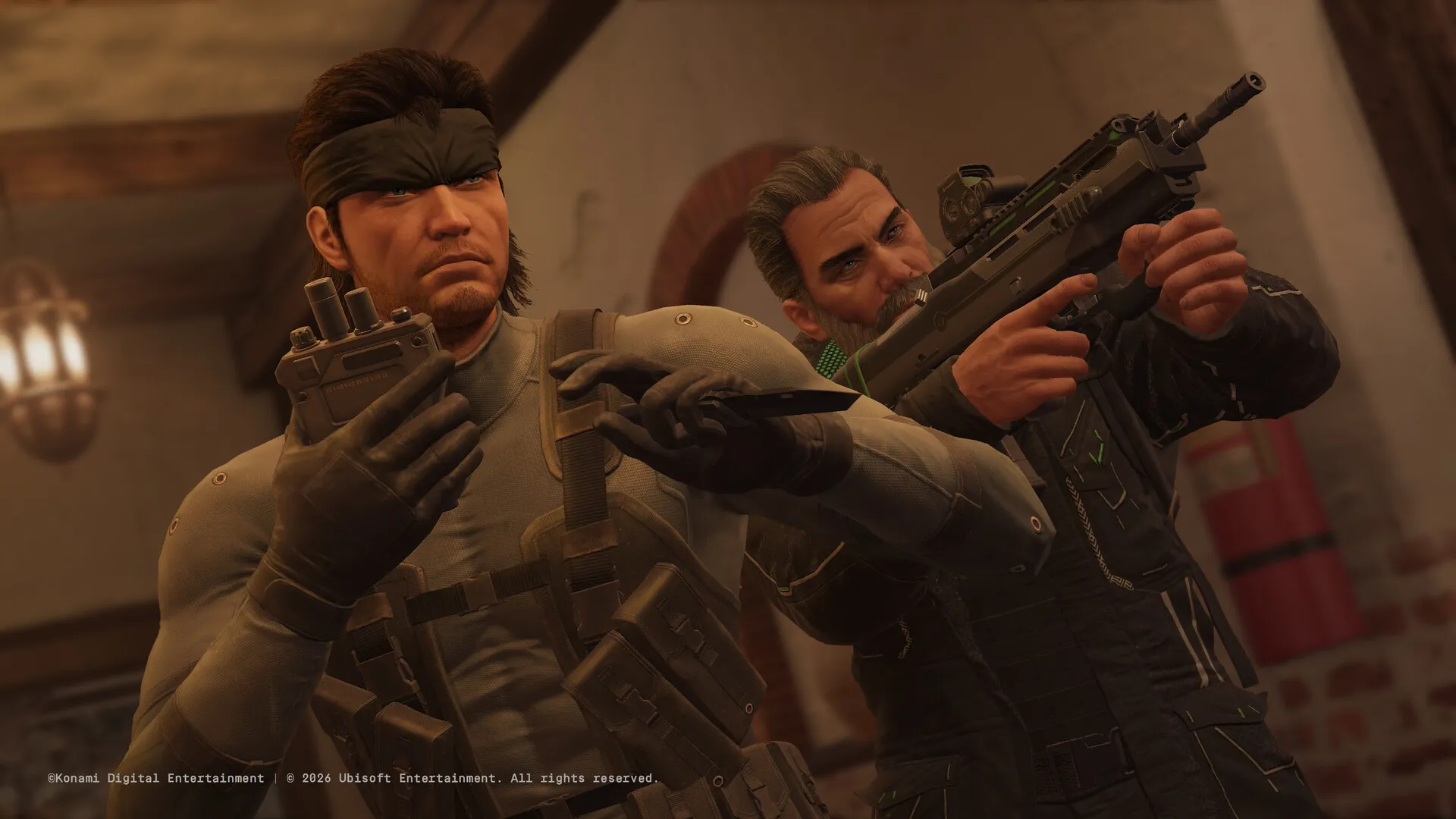
2. A Precarious Launch and the Birth of the "Service" Model (2015-2016)
The launch news in December 2015 was surprisingly muted. While critics praised the mechanics, the initial news cycle was plagued by reports of server instability, "hit-reg" (hit registration) issues, and a lack of content. Many industry analysts predicted the game would fade away within six months. However, the news took a turn when Ubisoft announced the "Year 1" roadmap, committing to free DLC maps and operators. This was a pivotal news moment that established the "Season" structure we now take for granted.
The Year 1 Operator News
The release of "Operation Black Ice" in early 2016 was the first major content milestone. It introduced Buck and Frost, along with the Yacht map. News reports during this time began to highlight the growing "Meta"—the strategic interplay between gadgets.
- The Trap Meta: Frost’s Welcome Mats changed how attackers approached windows.
- The Soft Breach Meta: Buck’s under-barrel shotgun allowed for rapid vertical play.
- The ESL Partnership: News of the first Pro League season signaled Ubisoft's long-term commitment to the competitive scene.
3. Operation Health: The News That Saved the Game (2017)
In mid-2017, Ubisoft made a news announcement that would define the game’s legacy. Instead of releasing the planned Polish season, they announced "Operation Health." This was a three-month period dedicated entirely to fixing the game's crumbling infrastructure. The news was initially met with intense backlash from fans who wanted new content, but it is now widely regarded as the most important decision in the game’s history.
Operation Health news focused on three pillars: One-Step Matchmaking, 60Hz servers, and a massive cleanup of the game's code. This technical "reset" allowed the developers to build a more stable platform for the future. By the end of Year 2, the player base began to swell, and the news cycle shifted from "Is Siege dying?" to "Siege is the fastest-growing game on Steam."
4. The Golden Era of Expansion: Operation Chimera and Beyond (2018-2019)
By 2018, Rainbow Six Siege was a juggernaut. The news was no longer about survival, but about massive events. "Operation Chimera" introduced the "Outbreak" event—a limited-time co-op PvE mode involving an alien parasite. This news beat was significant because it showed the versatility of the Siege engine and eventually led to the development of the standalone game Rainbow Six Extraction.
The Rise of Iconic Operators
The news during Year 3 and Year 4 was characterized by the introduction of "Hard Breachers" and "Intel Deniers."
- Maverick (Operation Grim Sky): Introduced the ability to "torch" small holes in reinforced walls, a nightmare for defenders.
- Mozzie (Operation Burnt Horizon): Gave defenders the ability to steal attacker drones, shifting the intel game.
- The 100-Operator Goal: News outlets began reporting on Ubisoft’s ambitious long-term goal of reaching 100 unique operators, ensuring the game would live for a decade or more.
5. Rebuilding the Core: The Year 5 Shift (2020)
As the game entered its fifth year, the news cycle shifted toward "Core Gameplay Overhauls." Ubisoft began focusing on reworking existing maps rather than just adding new ones. Maps like House, Hereford Base, and Oregon were redesigned from the ground up to be competitively viable. This was a strategic news move intended to reduce the "learning curve" for new players while keeping veterans engaged with a more balanced environment.
The Tachanka Rework News
Perhaps the biggest fan-driven news story of 2020 was the rework of the "Lord," Tachanka. For years, Tachanka was a meme—a stationary defender with a turret who was practically useless in high-level play. Ubisoft news confirmed they were removing his stationary turret and giving him a portable Shumikha Launcher. This "rework news" was a symbol of the developer's willingness to listen to the community while prioritizing competitive integrity over memes.
6. The Pandemic Era: Remote Development and Siege Cup (2021)
The 2021 news cycle was heavily influenced by the global pandemic. Like many studios, Ubisoft Montreal had to transition to remote work. This resulted in some delays, but the news was surprisingly positive regarding the game’s "Social Systems." This was the year Ubisoft introduced the Reputation System and the first news regarding "Siege Cup," an in-game tournament system designed to bring the Pro League experience to the average player.
The "North Star" season introduced Thunderbird and a complete overhau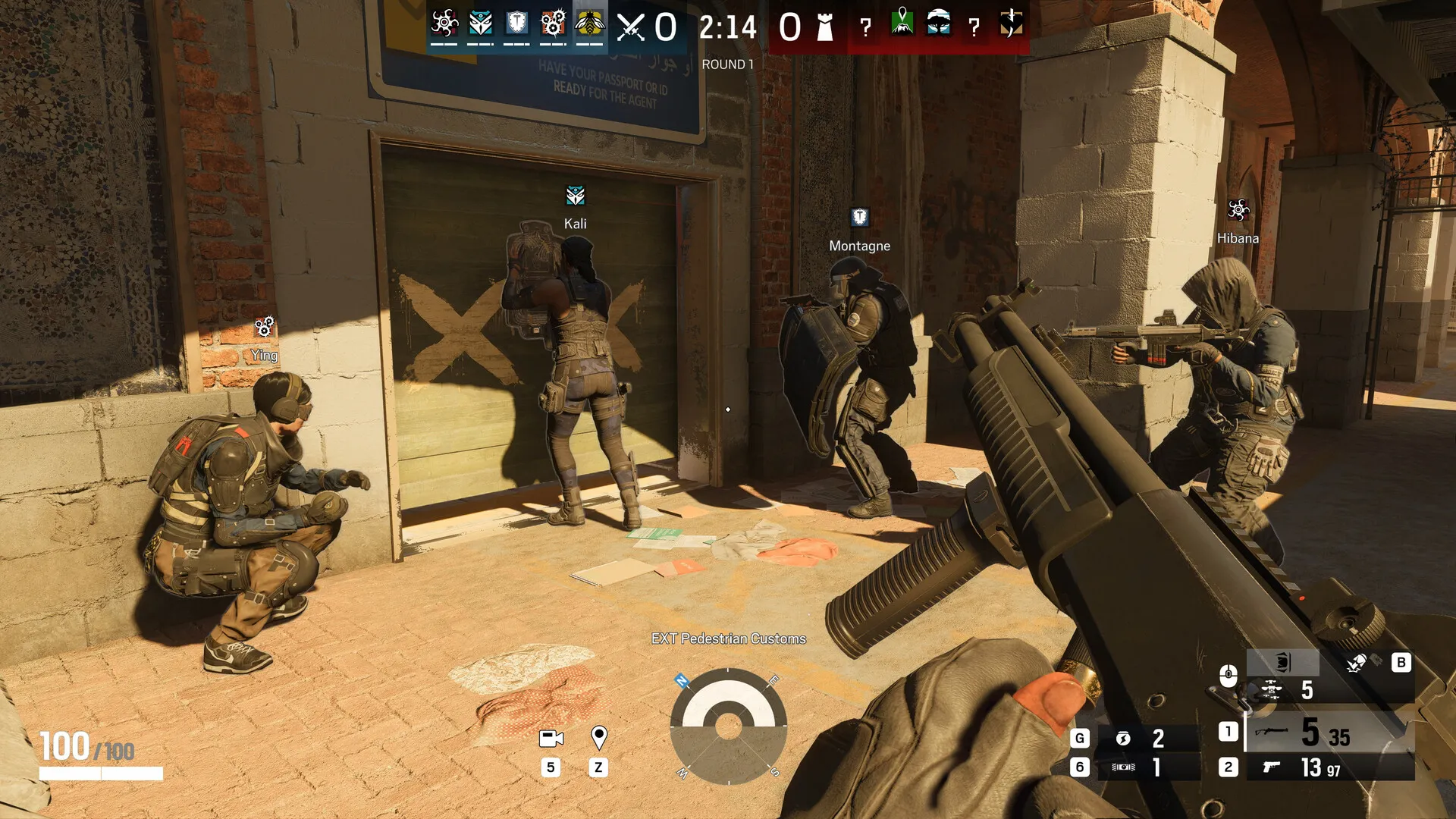 l of the "Health" system, moving from a percentage-based UI to a more transparent "Armor to HP" conversion. News analysts noted that even under remote conditions, Siege was successfully iterating on its core systems, proving the resilience of the development team and the robustness of the live-service pipeline.
7. Technical Warfare: Anti-Cheat, Mousetrap, and BattlEye (2022-2023)
As Siege matured, the news became increasingly focused on the "War on Cheating." In 2023, Ubisoft made international headlines with the reveal of "Mousetrap." This was a revolutionary anti-cheat tool designed specifically for consoles to detect players using mouse-and-keyboard adapters (XIM) on PlayStation and Xbox. The news of Mousetrap’s success—which initially reduced XIM usage by over 30%—was a massive win for the console community.
Technical Milestone News
- BattlEye Integration: News of increased ban waves and real-time detection systems.
- Privacy Mode: A new feature news beat that allowed players (especially streamers) to hide their usernames to prevent "stream sniping."
- DirectX 12 Support: Technical news focusing on performance optimizations for PC players, reducing CPU overhead and improving frame rates.
8. Narrative Deep Dives: The Death of Harry and Deimos (2023-2024)
For years, Siege lore was background noise, but in 2023, the news took a dramatic cinematic turn. The "Harry’s Fate" cinematic shocked the community, showing the assassination of the Six (Harry Pandey) by a new antagonist named Deimos. This news shifted the game’s narrative from "simulated training" to a high-stakes global conflict between the Rainbow team and a rogue faction called Nighthaven.
The Deimos Release (Operation Deadly Omen)
The news surrounding "Operation Deadly Omen" was historic, as Deimos transitioned from a cinematic villain to a playable Operator. As the first "Villain" to join the roster, his kit focused on hunting down defenders using a specialized tracking drone. This "narrative-to-gameplay" news was highly praised for adding emotional weight to the seasonal updates, making the lore feel integral to the experience for the first time in the game's history.
9. Year 9: The Cross-Play and Cross-Progression Era (2025)
As we moved into 2025, the dominant news stories centered on "Breaking Down Barriers." Ubisoft finally delivered on the long-promised full Cross-Play and Cross-Progression between all platforms. This news was a game-changer for the community, allowing friends on PC, Xbox, and PlayStation to finally squad up together. It also meant that cosmetics and progress earned over a decade could be moved freely between hardware generations.
Year 9 Feature Highlights
- The Marketplace: A new "News" feature where players could trade skins for R6 Credits, creating a player-driven economy.
- AI Playlist: News of improved AI "Defender" bots that allow new players to practice tactics in a low-stress environment.
- Map Training: A specialized mode news beat that helps players learn "callouts" and "pre-fire" spots dynamically.
10. The 10-Year Vision: Siege in 2026 and Beyond
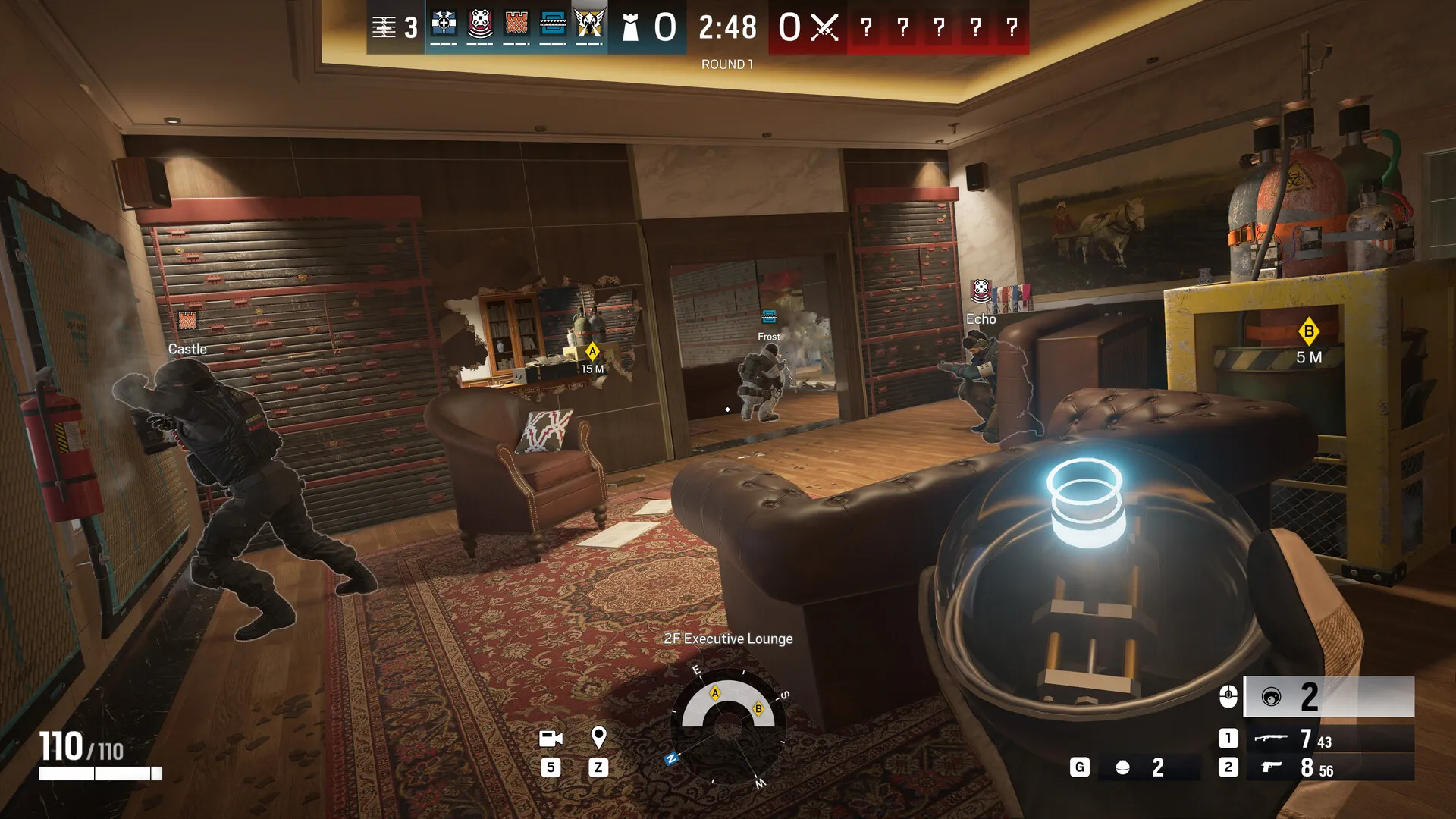
As of early 2026, the news cycle for Rainbow Six Siege is focused on the "Infinite Siege" philosophy. Ubisoft has officially transitioned away from the idea of a "Rainbow Six Siege 2," opting instead to continue evolving the current engine. News of the latest Season reveals a game that is visually unrecognizable from its 2015 counterpart, featuring refined lighting, a massive roster of 70+ operators, and a destruction system that remains the industry gold standard.
The current news headlines in 2026 focus on the "Global Circuit," with the Six Invitational continuing to break viewership records. The game has successfully navigated three console generations and shows no signs of slowing down. With rumors of a "2.0 Engine Update" and a continued focus on player health and community-led balancing, the news of Rainbow Six Siege is a story of a game that didn't just survive—it conquered the tactical shooter world through pure, unyielding persistence.
Conclusion
The decade-long news journey of Tom Clancy’s Rainbow Six Siege is a masterclass in adaptation. From its shaky reveal to the technical salvation of Operation Health, and from the lore-shattering death of Harry to the revolutionary Mousetrap anti-cheat, Siege has never been a static product. It is a living, breathing ecosystem that has redefined what "support" looks like in the modern gaming era. By treating its players as collaborators and its game as a constant "work in progress," Ubisoft created a tactical masterpiece that has outlasted nearly all of its competitors. As we look toward the future, the legacy of Siege is clear: it is the game that proved that even the most broken of launches can become a legendary success if you have the vision to keep breaching the walls in front of you.