
Minecraft is often described as a sandbox game, but its true strength lies in how it adapts to the player. There is no fixed path, no required ending, and no single correct way to play. This flexibility is why Minecraft has remained a hot game for years. In this article, we explore how to grow as a player in Minecraft, from beginner survival to long-term mastery.
1. Minecraft as a Player-Driven Experience
Unlike story-based games, Minecraft does not tell players what to do. Progress is defined by personal goals.
This design empowers creativity and ownership.
Core Principle
The player creates meaning.
Result
Every world feels unique.
2. Early Survival: Learning How to Stay Alive
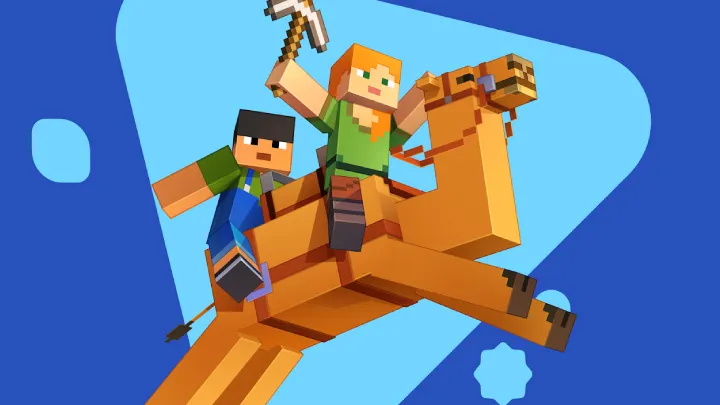
The first hours of Minecraft are about survival basics. Hunger, enemies, and darkness create natural tension.
Learning how to manage these threats builds confidence.
Early Survival Goals
- Shelter
- Food
- Tools
Key Lesson
Preparation prevents failure.
3. Understanding Progression Without Levels
Minecraft has no traditional leveling system. Progress is shown through equipment, builds, and knowledge.
This organic progression feels natural.
Signs of Progress
- Better tools
- Safer bases
- Faster resource gathering
Skill Over Stats
Experience matters more than numbers.
4. Exploration as a Learning Tool
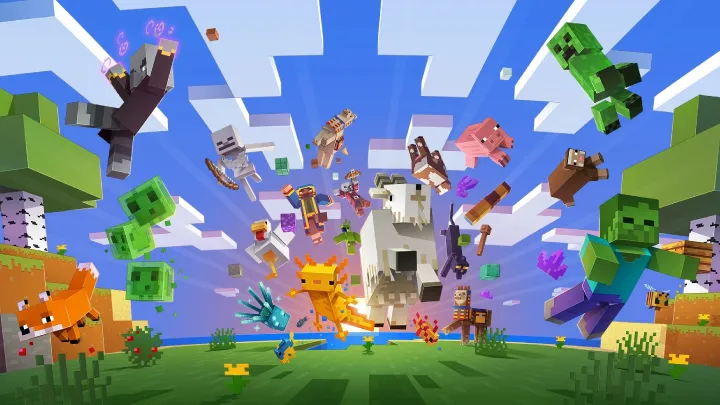
Exploring new areas teaches players about biomes, mobs, and resources.
Curiosity drives improvement.
Exploration Rewards
- Rare materials
- New building ideas
Risk vs Reward
Preparation enables discovery.
5. How to Set Personal Goals in Minecraft
Without quests, players must create their own objectives.
Clear goals increase motivation.
Goal Examples
- Defeat the Ender Dragon
- Build a village
- Automate farming
Goal Tip
Start small, expand later.
6. Mid-Game Mastery and Efficiency
Mid-game is about refining systems. Players focus on efficiency rather than survival.
Automation becomes important.
Mid-Game Focus
- Farms
- Storage systems
Time Management
Work smarter, not harder.
7. Creative Thinking Through Building
Building encourages spatial reasoning and planning.
Mistakes become learning opportunities.
Building Benefits
- Creativity
- Problem-solving
Design Growth
Structures improve over time.
8. Redstone as a Skill Challenge
Redstone introduces logic and engineering concepts.
It rewards experimentation.
Redstone Applications
- Auto-farms
- Traps
- Transportation
Learning Curve
Failure teaches faster than guides.
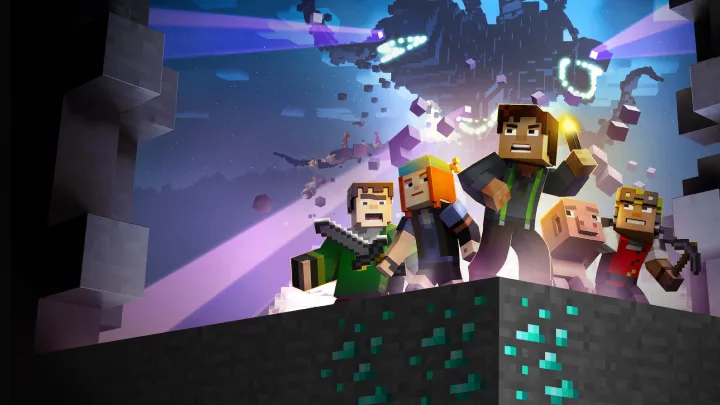
9. Multiplayer and Shared Progress
Multiplayer worlds change how players think. Collaboration replaces solo effort.
Social goals emerge.
Multiplayer Activities
- Shared builds
- Trading
Community Impact
Progress feels collective.
10. Why Minecraft Never Truly Ends
Even after defeating bosses, Minecraft continues.
There is always another idea to build.
Endgame Reality
Minecraft has no final form.
Endless Replay
New worlds, new stories.
Conclusion
Minecraft remains a hot game because it evolves with the player. By learning how to survive, plan, build, and experiment, players grow alongside their worlds. The absence of rigid structure allows creativity to flourish, ensuring that every Minecraft journey feels personal, meaningful, and timeless.